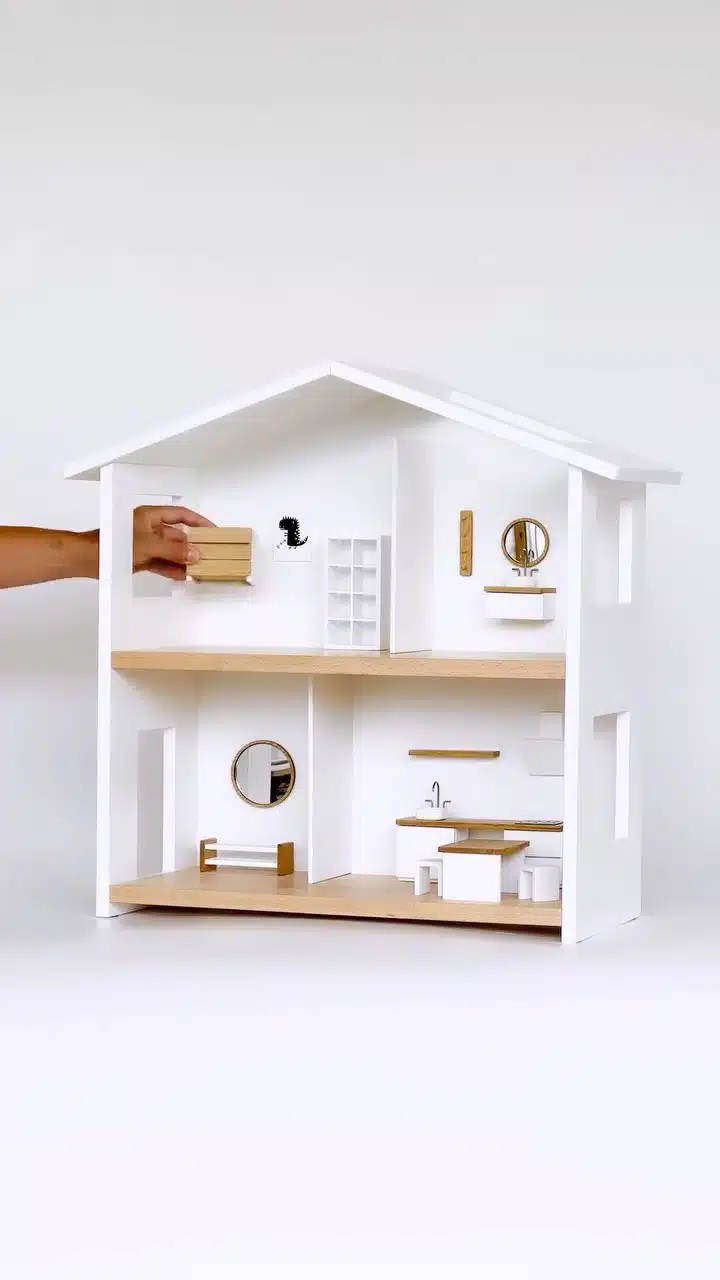

What is Dollhouse Scale? A Simple Guide to the Math of Miniatures
If you’re looking at miniatures for the first time, understanding dollhouse scale is the first step to building your dream world. You’ve probably run into numbers like 1:12 or 1:6 and felt a bit lost. Don't worry—the concept is actually very straightforward, and once you master the basics, everything else falls into place.
What is Scale, Anyway?
Scale is just a ratio. It tells you exactly how many times a model is smaller than the real thing. To understand this, let’s look at a true legend: the Piper J-3 Cub. This aircraft is a favorite for both full-scale pilots and model builders alike.

The Original Piper J-3

1:3 Scale Replica
When we say a model is 1:3 scale, it means the replica is exactly three times smaller than the real airplane in every dimension—length, height, and wingspan.

It’s a simple rule of division: if the real wingspan is 10.74 meters, we divide that by 3. 10.74 / 3 = 3.58 meters. That is the wingspan of our model. The real plane is 3 times larger than the replica, but every curve and detail remains perfectly proportional.
Scale is just a ratio. It tells you exactly how many times a model is smaller than the real thing
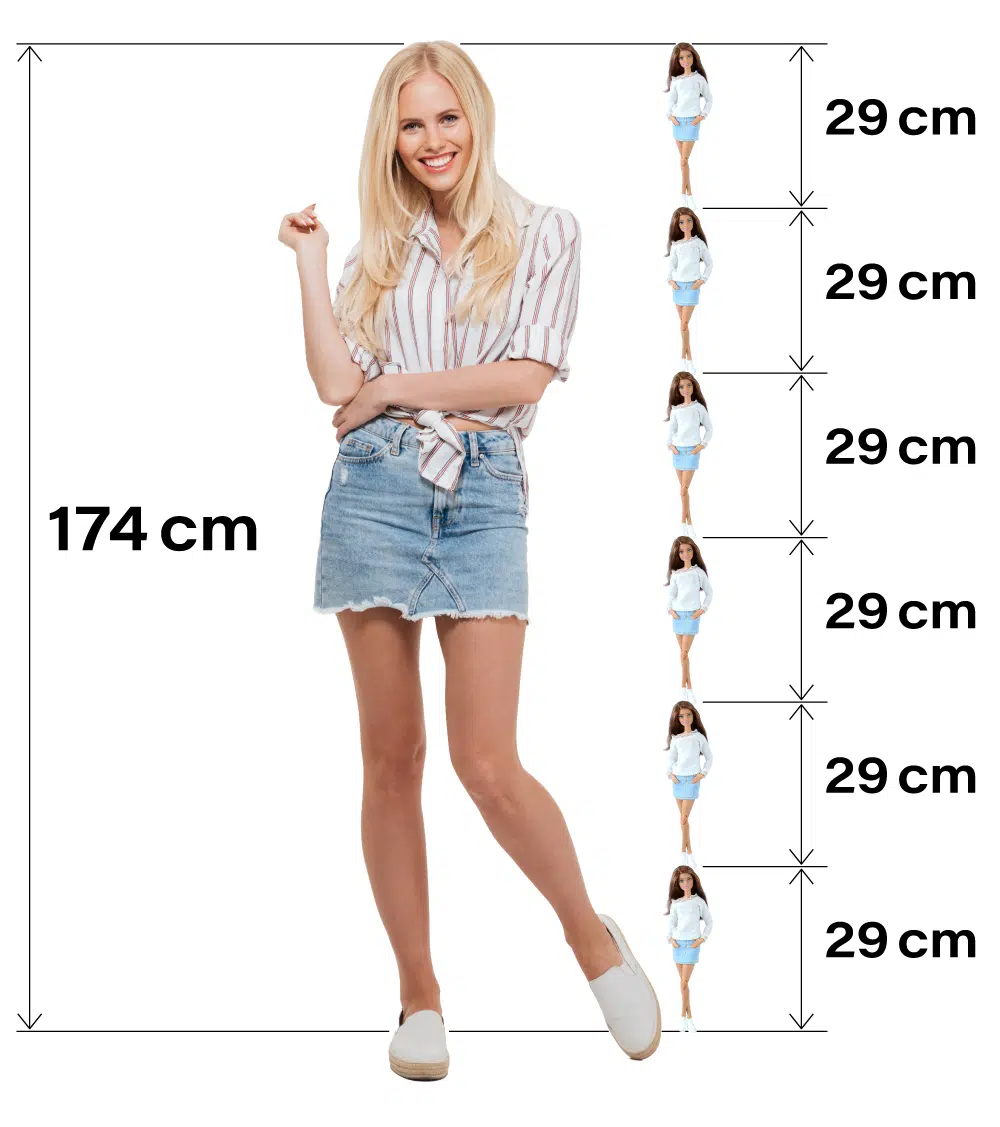
Barbie uses a 1:6 scale, meaning everything is 6 times smaller than in real life. A standard Barbie doll is about 29 cm tall, which represents a woman roughly 174 cm tall — a classic "model" height.
How 1:12 Dollhouse Scale Works
When we talk about a 1:12 scale dollhouse, we are using the global "Gold Standard" for miniatures. It simply means that every item is 12 times smaller than its real-world counterpart.
To see how this looks in your hand, let’s take some everyday items and shrink them down by 12.
When we apply the 1:12 dollhouse scale to a standard shelving unit, the transformation is incredible. A full-sized piece that stands 76.5 cm tall in a human home is reduced to just 6.37 cm in our miniature world. This drastic reduction is what makes the details of a dollhouse scale model so fascinating to the eye.
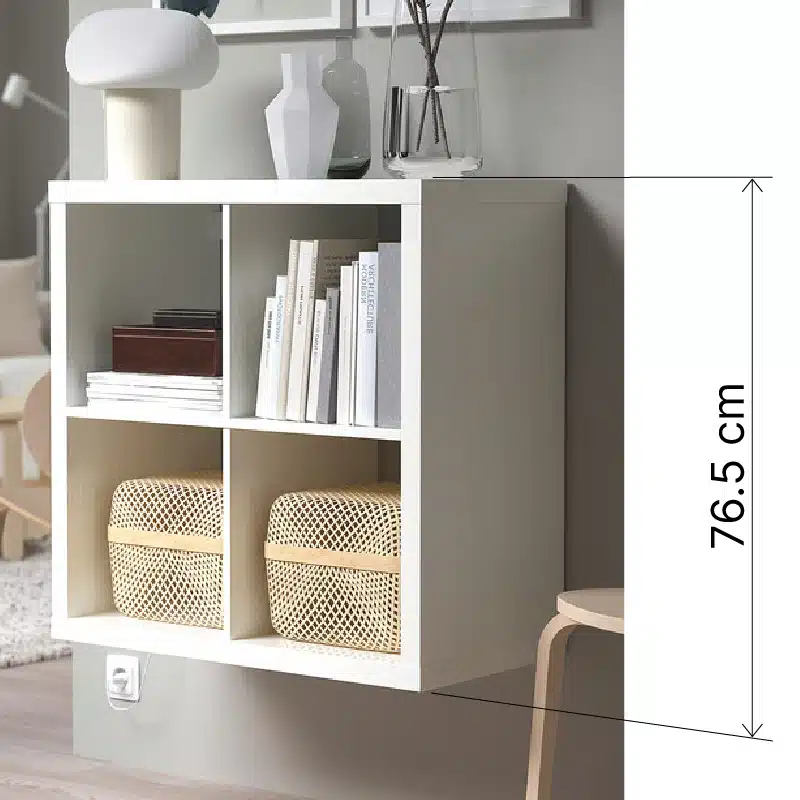
76.5 cm : 12 ≈
6.4 cm
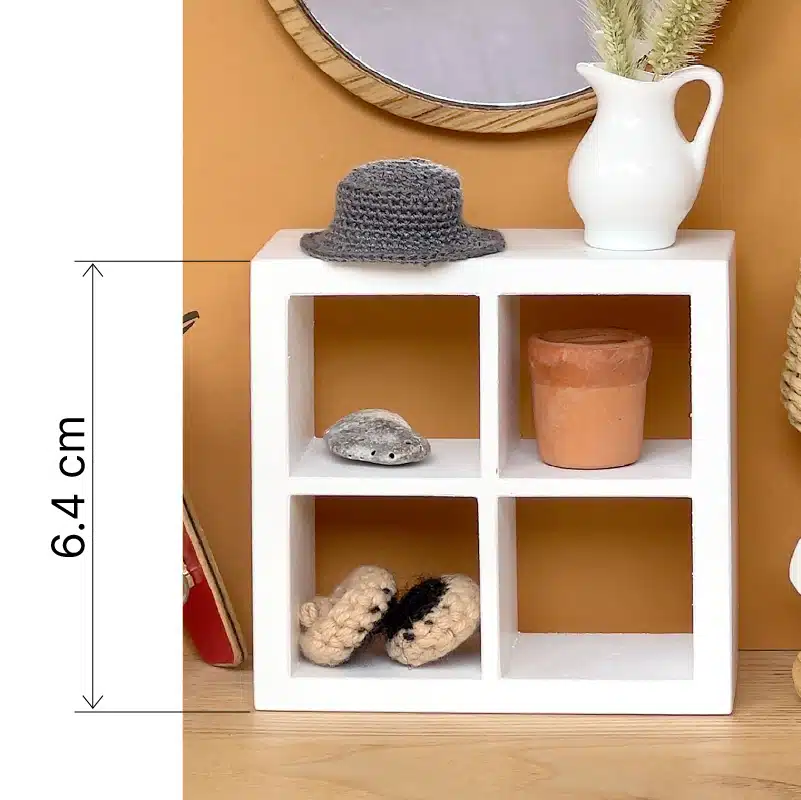
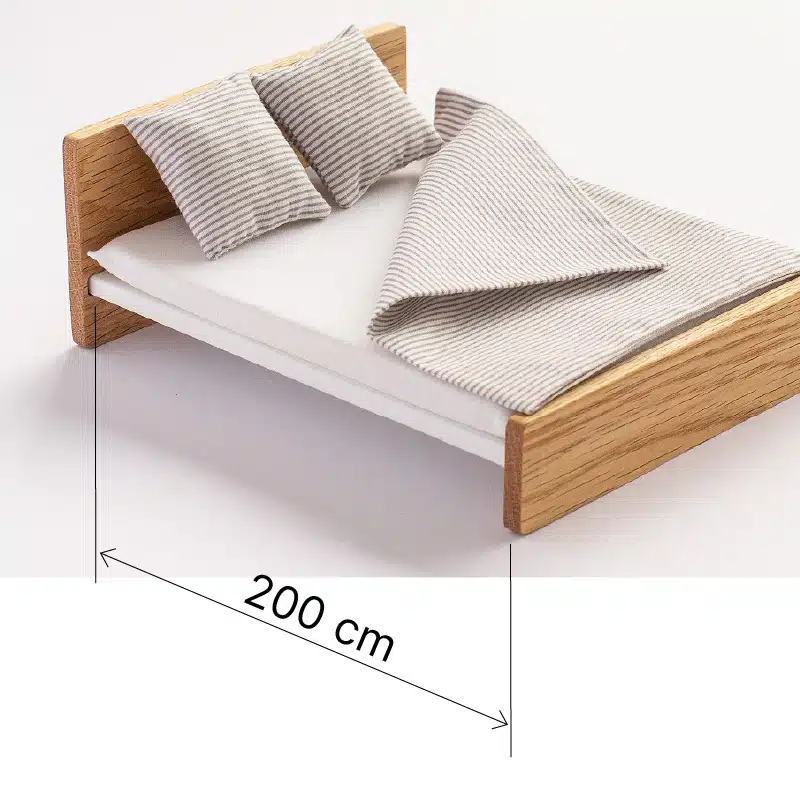
Even the largest furniture must follow the math of dollhouse scale to look realistic. Take a King Size mattress, for example. What starts as a 200 cm long bed for us becomes a compact 16.6 cm miniature. Keeping these miniature proportions exact ensures that your dolls can actually "sleep" comfortably without the furniture looking out of place.
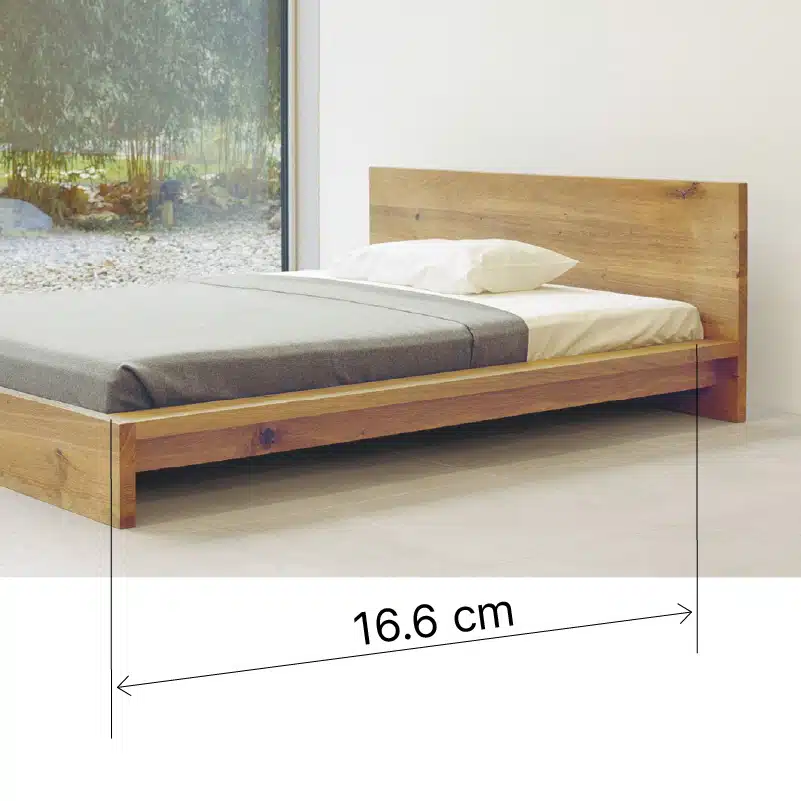
200 cm : 12 ≈
16.6 cm
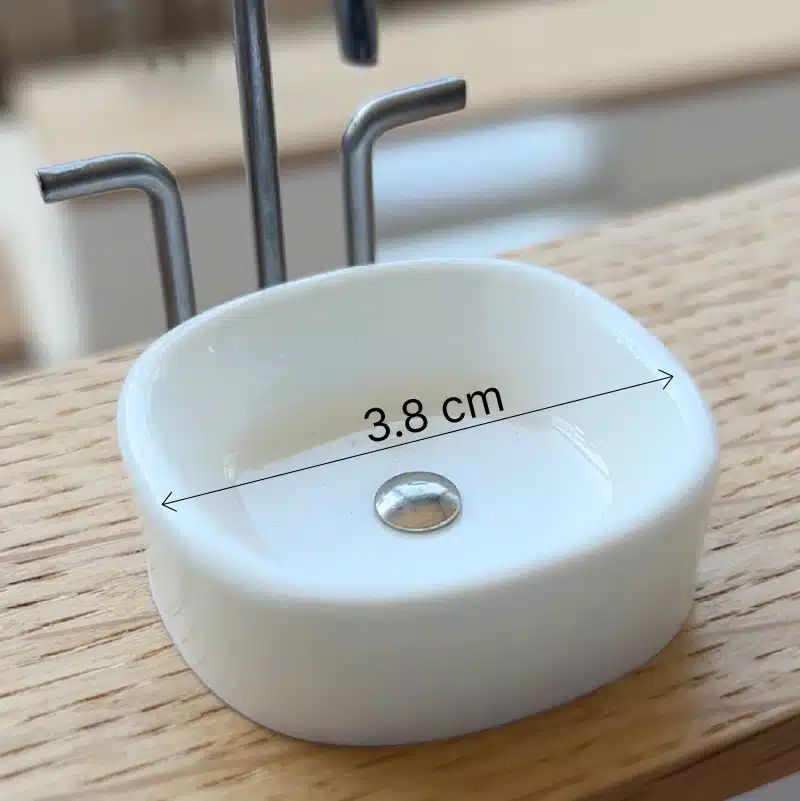
Precision is key when shrinking functional items like a bathroom sink. By using a strict 1:12 dollhouse scale, a standard 46 cm wide sink becomes a tiny 3.8 cm masterpiece. This level of accuracy is what separates a professional dollhouse scale replica from a simple toy—it’s all about respecting the ratio.
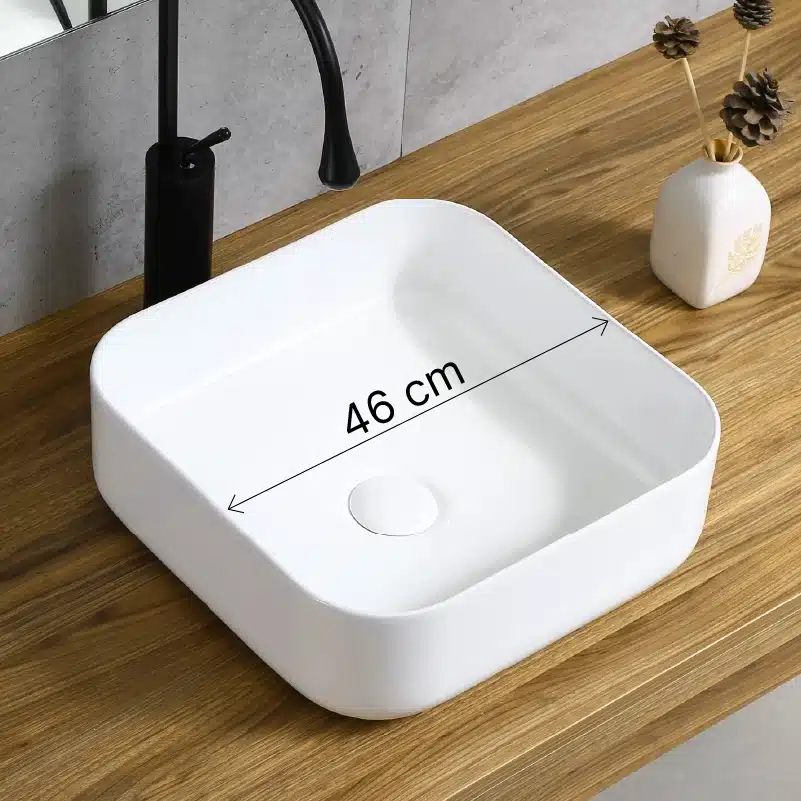
46 cm : 12 ≈
3.8 cm
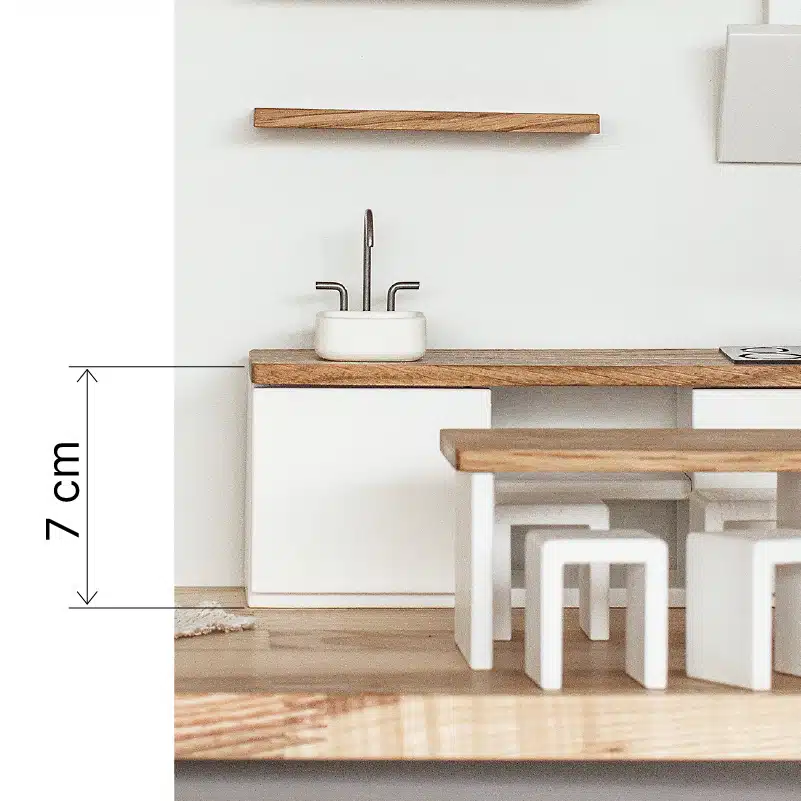
In the heart of the home, height is everything. A standard kitchen countertop is designed at 85 cm for human ergonomics, which translates to 7 cm in dollhouse scale. Maintaining this specific height across all your miniature furniture ensures that the entire scene feels balanced and lifelike when you look inside.
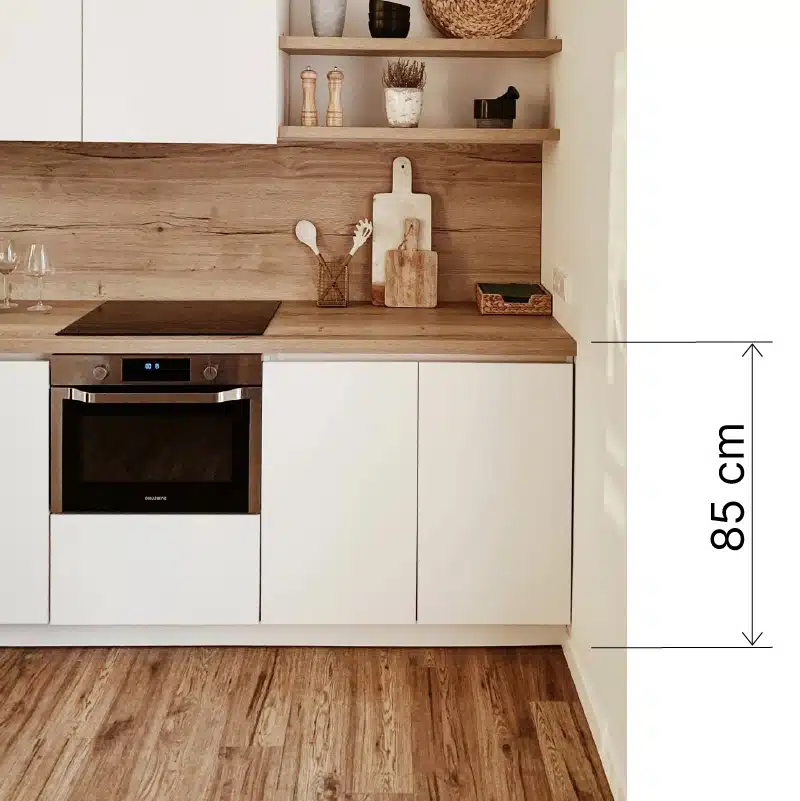
85 cm : 12 ≈
7 cm
Why Precision Matters
In my workshop, I treat these ratios with respect. It’s not just about being "correct"—it’s about how the house feels when you look at it.
Visual Balance
When the scale is consistent, the miniature world looks "real." Your eyes don't get distracted by a chair that's accidentally as tall as a door.
Universal Fit
Since 1:12 is the most popular scale worldwide, any 1:12 scale accessories or furniture you buy later will fit perfectly in a Katin Domik house
The Doll Factor
A standard 1:12 scale doll (about 5-6 inches tall) will look natural in the space. Her feet won't hang off the bed, and she won't have to duck to get through the doorway